
Tekvocation had the opportunity to interact with Mr. Dinesh Bopanna, Co-founder Director of Jagruth Tech Pvt. Ltd., a Mysuru-based company that is redefining how sustainability meets innovation. Jagruth Tech manufactures eco-friendly construction materials such as interlock pavers, tiles, saucer drains, and kerb stones, all made from single-use plastic waste. What sets the company apart is not just its technology but its vision to transform plastic pollution into a purposeful, scalable solution that benefits both the environment and society.
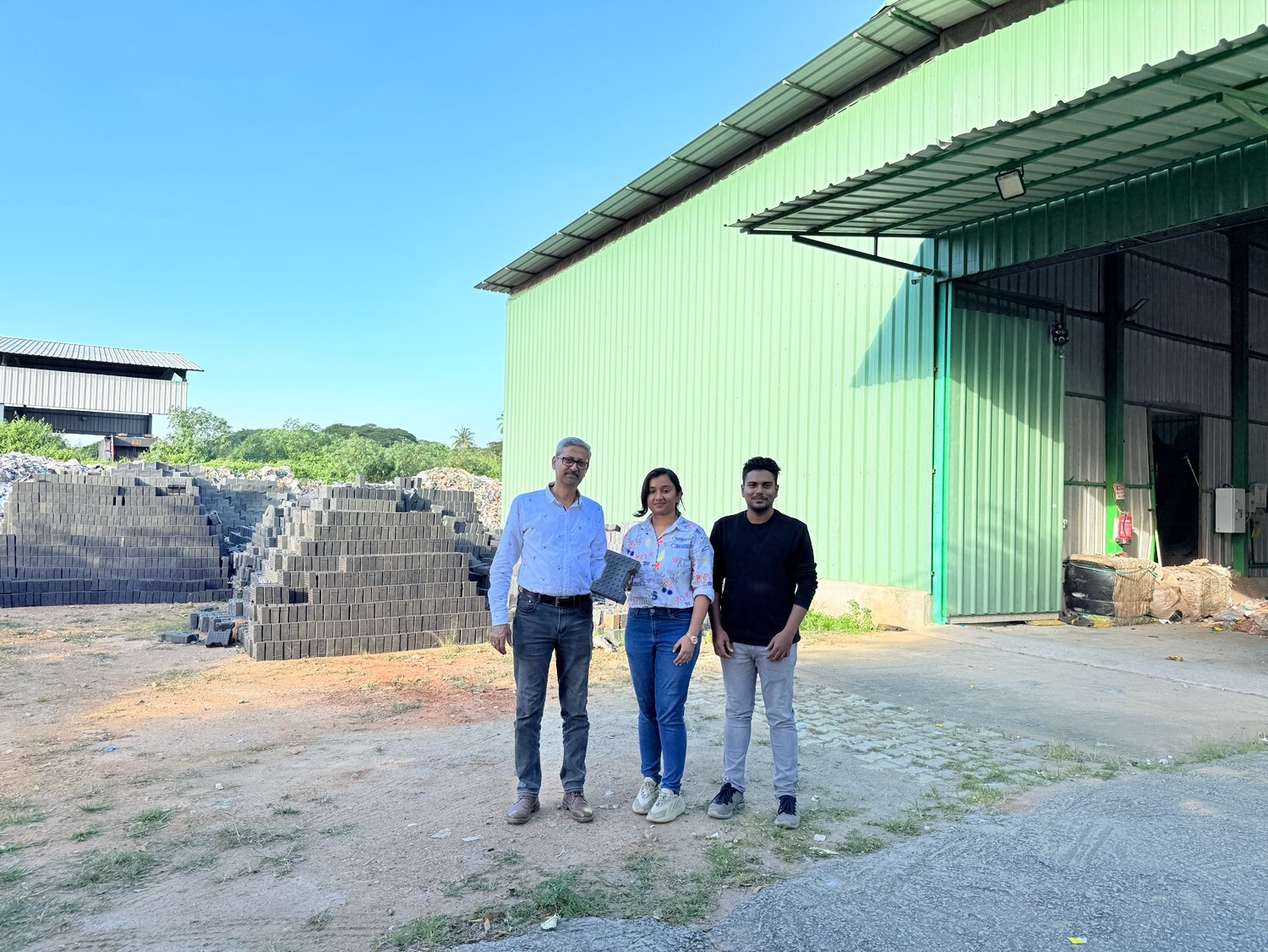
Founded with the vision to tackle the mounting problem of non-biodegradable and non-recyclable plastic like single use and multi layered which are non-recyclable post consumer, Jagruth Tech began as an effort to convert an environmental challenge into a sustainable opportunity. With his background in mechanical engineering and sustainability, Mr. Dinesh Bopanna saw potential in transforming single-use and multi-layered plastic waste and post consumer waste into durable construction materials. For a green-tech company like Jagruth Tech, marketing became a bridge between innovation and awareness for helping people recognize the environmental and economic value of sustainable alternatives. Through collaborations with government bodies and ULB(Urban Local Bodies), organizations like Namma Mysore Foundation (NMF), and digital storytelling, the company has built credibility and inspired shared responsibility toward a cleaner planet.
According to Mr. Dinesh Bopanna, marketing at Jagruth Tech is rooted in trust and storytelling. The company sells products along with its purpose. By sharing the story behind each recycled block and showing how discarded plastic finds new life in pavements, walkways, and urban spaces, Jagruth connects emotionally with its audience. Consistency in quality and transparency in process have been their key tools in building customer confidence. “Building trust takes time,” says Mr. Dinesh Bopanna, “but every reliable product, every satisfied customer, and every honest story adds to your reputation.”
Overcoming Challenges and Changing Perceptions Like many sustainability-driven startups, Jagruth Tech faced early skepticism about the durability of recycled materials. “Many assumed recycled plastics lacked strength, but Jagruth Tech is upcycling the single use and multi layered post consumer waste” says Mr. Dinesh Bopanna. The team overcame this through continuous R&D, obtaining product certifications, and showcasing real-world performance through pilot projects. Sourcing consistent-quality waste was another challenge, addressed by partnering with local waste aggregators and municipal bodies to ensure a steady supply chain.
Balancing Innovation, Sustainability, and Demand For Jagruth Tech, innovation, sustainability, and practicality go hand in hand. The company operates on a closed-loop process that minimizes waste while delivering high-performance construction materials. Each product is designed to meet real-world needs from roads and parks to industrial flooring, proving that environmental responsibility and market relevance can coexist.
Building Credibility Through Transparency When asked what advice he would share with startups, Mr. Dinesh Bopanna emphasizes transparency and consistency. “Building trust takes time, but every reliable product, every satisfied customer, and every honest story adds credibility.” He encourages young entrepreneurs to communicate openly, back their claims with data, and never compromise on quality or ethics.
The Power of Storytelling in Marketing Mr. Dinesh Bopanna believes storytelling is central to building emotional connections. “Customers don’t just buy a product, they believe in a purpose,” he says. By showing how discarded plastics are transformed into sustainable infrastructure, Jagruth Tech turns customers into advocates who share the company’s mission for environmental change.
Scaling with Responsibility Looking ahead, Jagruth Tech aims to expand across multiple Indian cities and later into international markets. The company plans to establish decentralized upcycling units in partnership with local governments and industries, enabling more efficient and community-driven waste management. As they scale, emerging technologies such as AI-driven waste sorting, IoT-based monitoring, and data-backed quality checks will play a key role in ensuring sustainability remains measurable, transparent, and scalable.